
How often an e-bike needs a service, and what each one is for.
There is no single number. A bike ridden to work every day in summer rain needs a very different schedule from one taken out on Sunday mornings. What follows is the schedule by what wears, so you can fit it to how you actually ride.
The short version
Check tyres and brakes every week. Clean and lube the chain every couple of weeks if you ride daily. Have the whole bike looked over after the first few hundred miles, then roughly twice a year.
Those are rules of thumb, not a contract. The manual for your bike comes first, and how it feels comes second. A bike that sounds or stops differently from last week is telling you something sooner than any calendar will.
Every ride, or every week
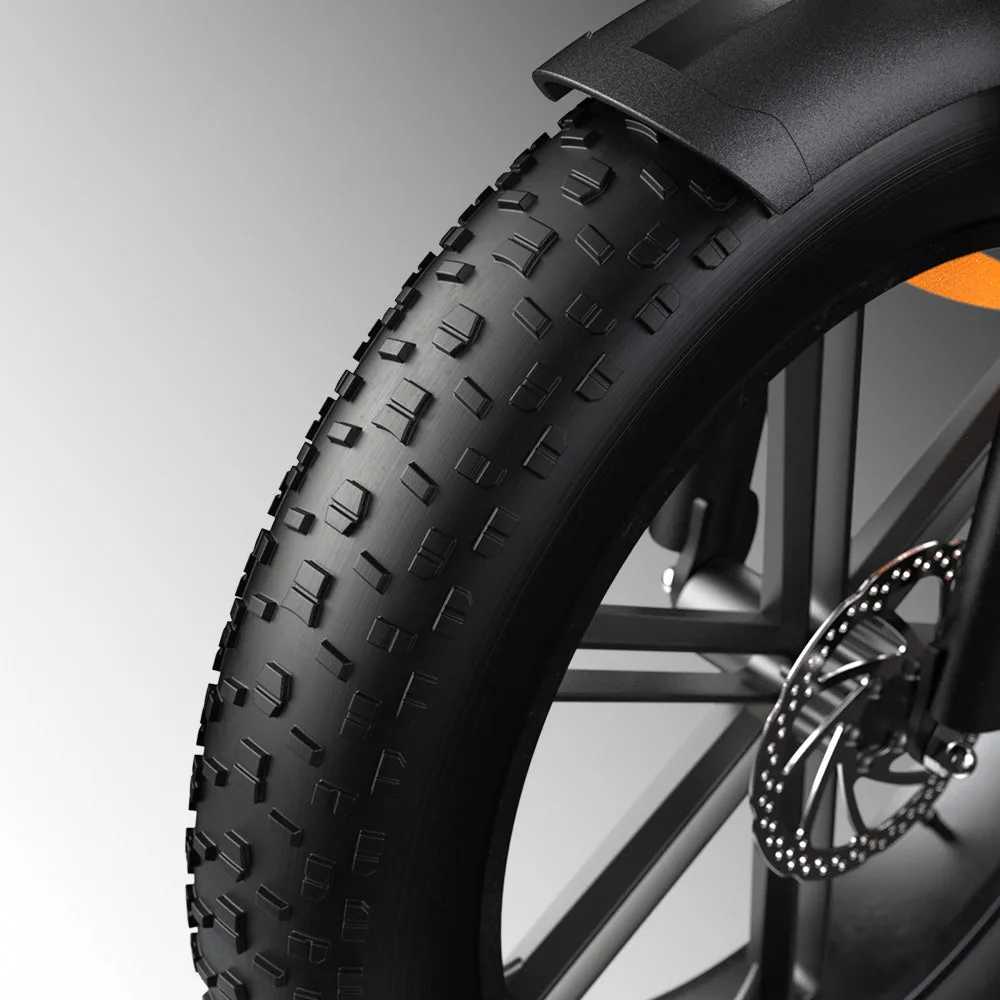
Tyre pressure. E-bike tyres lose air slowly and the weight of the bike hides it. Soft tyres cost range, wear unevenly and make punctures more likely. The pressure range is printed on the side of the tyre. Check it with a gauge, not a thumb.
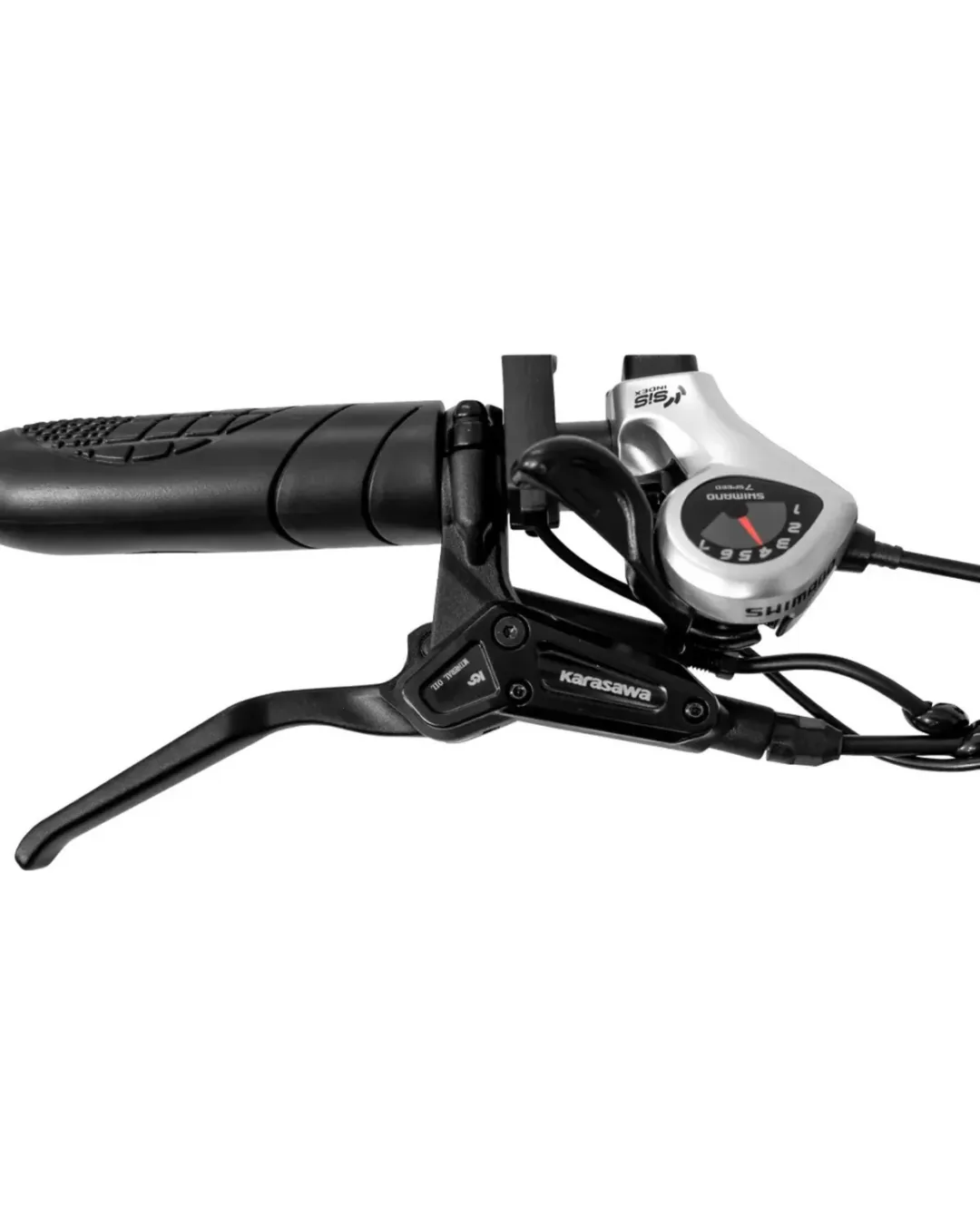
Brakes. Pull both levers before you set off. They should bite well before the lever reaches the bar and feel the same as yesterday.
Battery charge and lights. Obvious, and the two things most likely to leave you walking home after dark.
Every few weeks
The chain. An e-bike chain carries the motor's torque as well as yours, and it wears faster than on a normal bicycle. Wipe it, lube it lightly, then wipe off the excess. A dry chain squeaks. A drowned one collects sand, and sand grinds the gears.
Brake pads. Look into the caliper from above. Once there is about a millimetre of pad left on the metal backing, replace them.
Bolts that work loose. Stem, handlebar, axles, pedals, fender stays and rack. A quick check with a hex key catches most rattles before they become problems.
The first service, after a few hundred miles
A new bike changes in its first few hundred miles. Brake cables stretch, spokes settle, the headset beds in and bolts that were tight on day one are not quite tight on day sixty. None of it is a defect. It is what new bikes do.
That is why the first look-over matters more than the ones after it. If you assembled the bike yourself from a box, it matters even more. We wrote up what tends to go wrong first on those.
Twice a year, or about every thousand miles
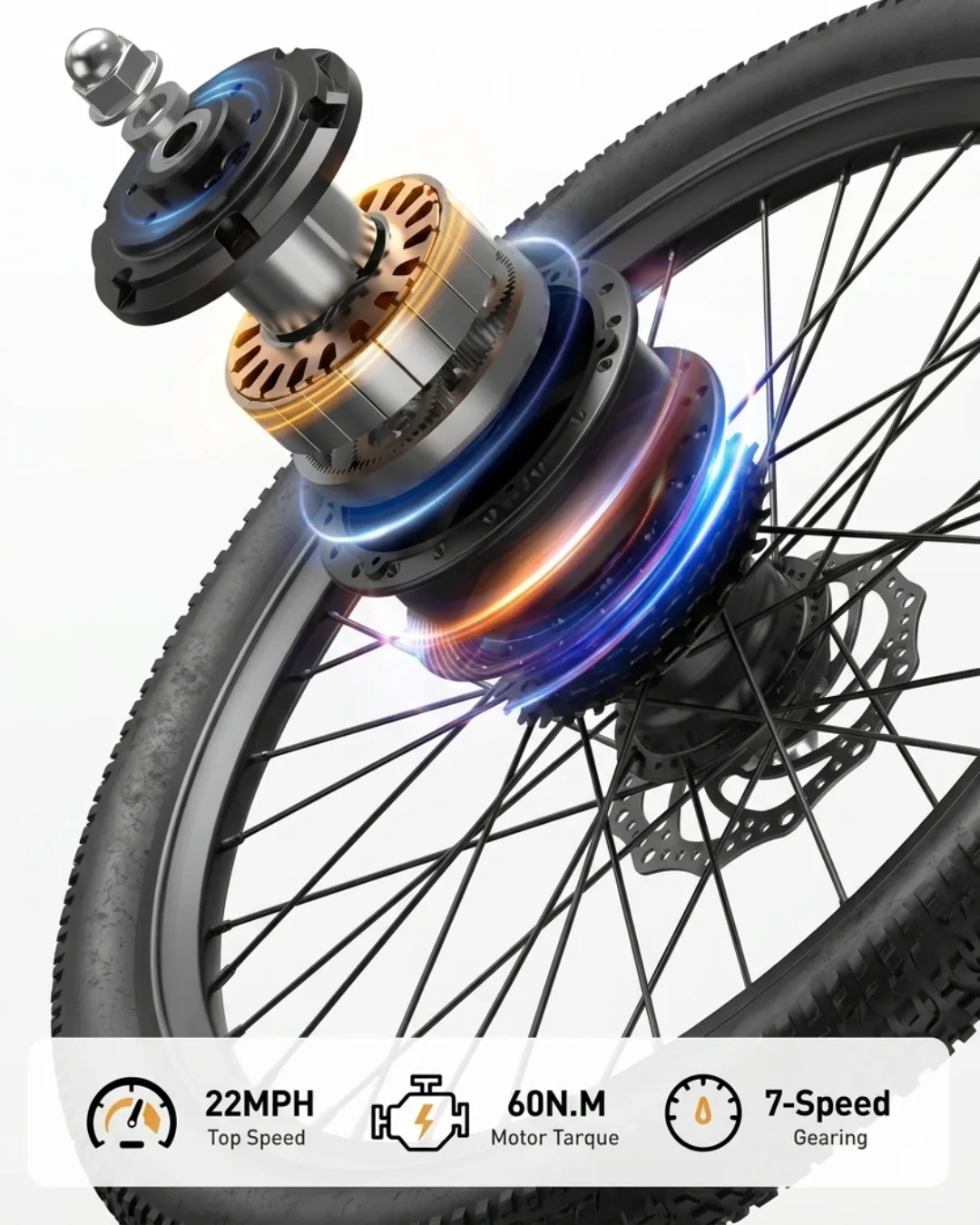
This is the full going-over: brakes adjusted or bled, wheels checked for true and spoke tension, chain measured for wear, drivetrain cleaned, headset and bottom bracket checked for play, every connector looked at, and the battery's charge behaviour checked against what it should be doing.
Whichever comes first, the months or the miles, is a sensible trigger. A daily commuter will hit the miles first. A weekend bike will hit the months, and things like hydraulic fluid and tyre rubber age whether the bike is ridden or not.
Measuring the chain is the part people skip and should not. A chain worn past about 0.5% stretch starts to wear the cassette and chainring with it. Caught in time, it is a chain. Caught late, it is the whole drivetrain.
What Florida adds
Rain. An afternoon storm washes the lube off a chain in one ride. In the wet season, re-lube after any ride in the rain rather than on the calendar, and let the bike dry indoors.
Sand. Trails and road shoulders here are sandy, and sand in a chain or a brake caliper wears both far faster than mud does.
Heat. The battery does not need servicing, but it does need keeping out of a hot car and a hot garage. Heat is what ages a pack fastest. Near the coast, salt air adds corrosion on bolts and connectors, so look at them more often.
What you can do at home, and what you cannot
At home: tyre pressure, chain cleaning and lube, pad checks, bolt checks, and keeping the bike clean and dry. Wash it with a damp cloth, not a pressure washer, which pushes water past the seals into the bearings and the motor.
On a bench: hydraulic bleeds, wheel truing, chain and drivetrain wear, headset and bottom bracket bearings, and anything electrical. If something on the display, controller or battery is behaving oddly, that is a measurement, not a guess.
What a service is not
A service should not be a package that does everything whether the bike needs it or not. When a bike comes into the workshop, on any brand, we look at it first and tell you what is worn, what is fine, and what each fix costs. Nothing is touched until you say go, and if something can wait until next time, we will tell you that too.
If the bike needs more than routine work, our page on repair and maintenance in Orlando covers how to bring it in and what to tell us.
Volt World
7226 W Colonial DrOrlando, FL 32818
Monday to Friday, 9:00 AM to 6:00 PM EST