
Your range dropped. It is probably not the battery.
A new pack is the most expensive part of an electric bike, and it is the first thing people assume has failed. It usually has not. Here is what to rule out first, in the order it is worth checking.
The short version
A battery loses capacity slowly and steadily. If your range fell off noticeably over a few weeks, it is almost certainly not the cells. Something started costing you energy, and lithium does not fail that way.
The three usual culprits, in the order we find them on the bench: soft tyres, a brake pad touching a rotor, and a change in how the bike is being ridden. None of them needs a new pack.
Start with the tyres. Always
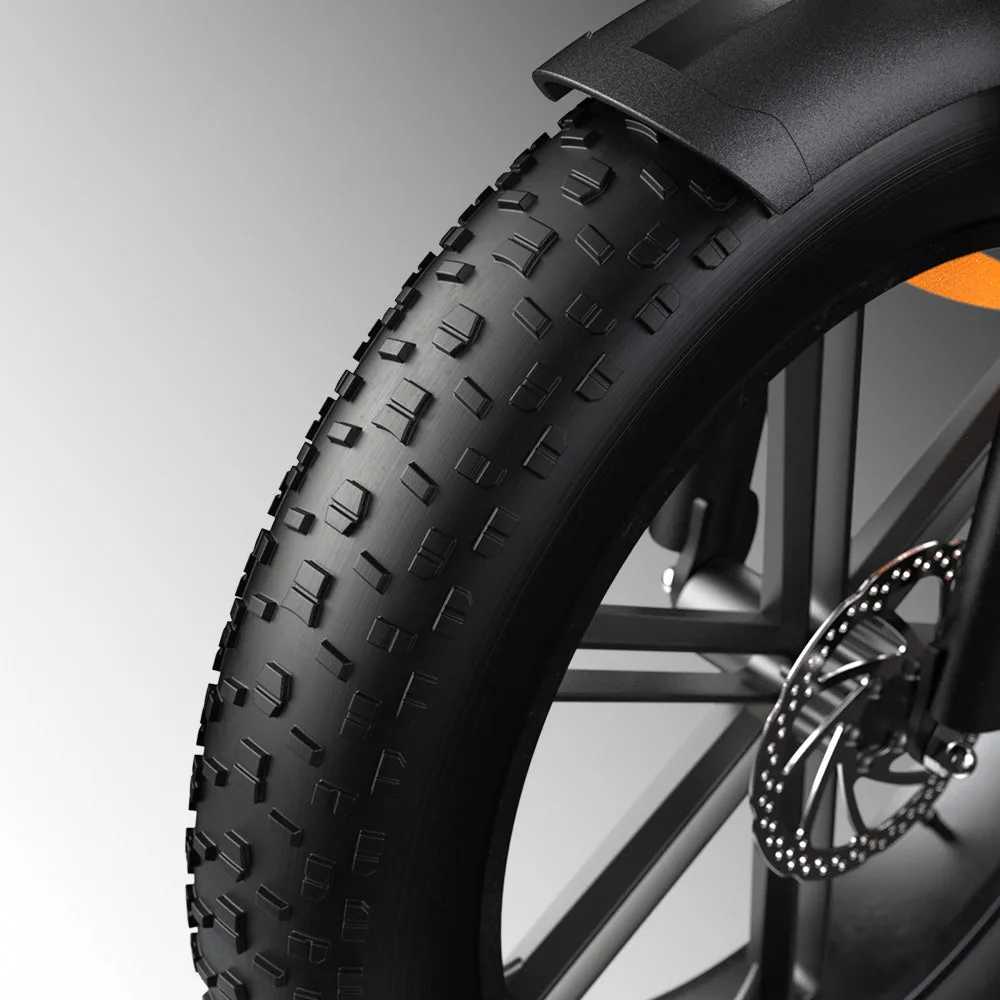
This is the single most common cause and the cheapest to fix, and almost nobody checks it. Rolling resistance climbs steeply as pressure drops, and a fat tyre is the worst offender because there is so much rubber touching the road.
A tyre does not have to look flat to be costing you miles. It loses pressure slowly on its own, every week, with nothing wrong. Find the range printed on the sidewall and put a gauge on it.
If you have not checked pressure since you bought the bike, do that before you read the rest of this. For a lot of people that is the whole problem.
A brake pad you cannot hear
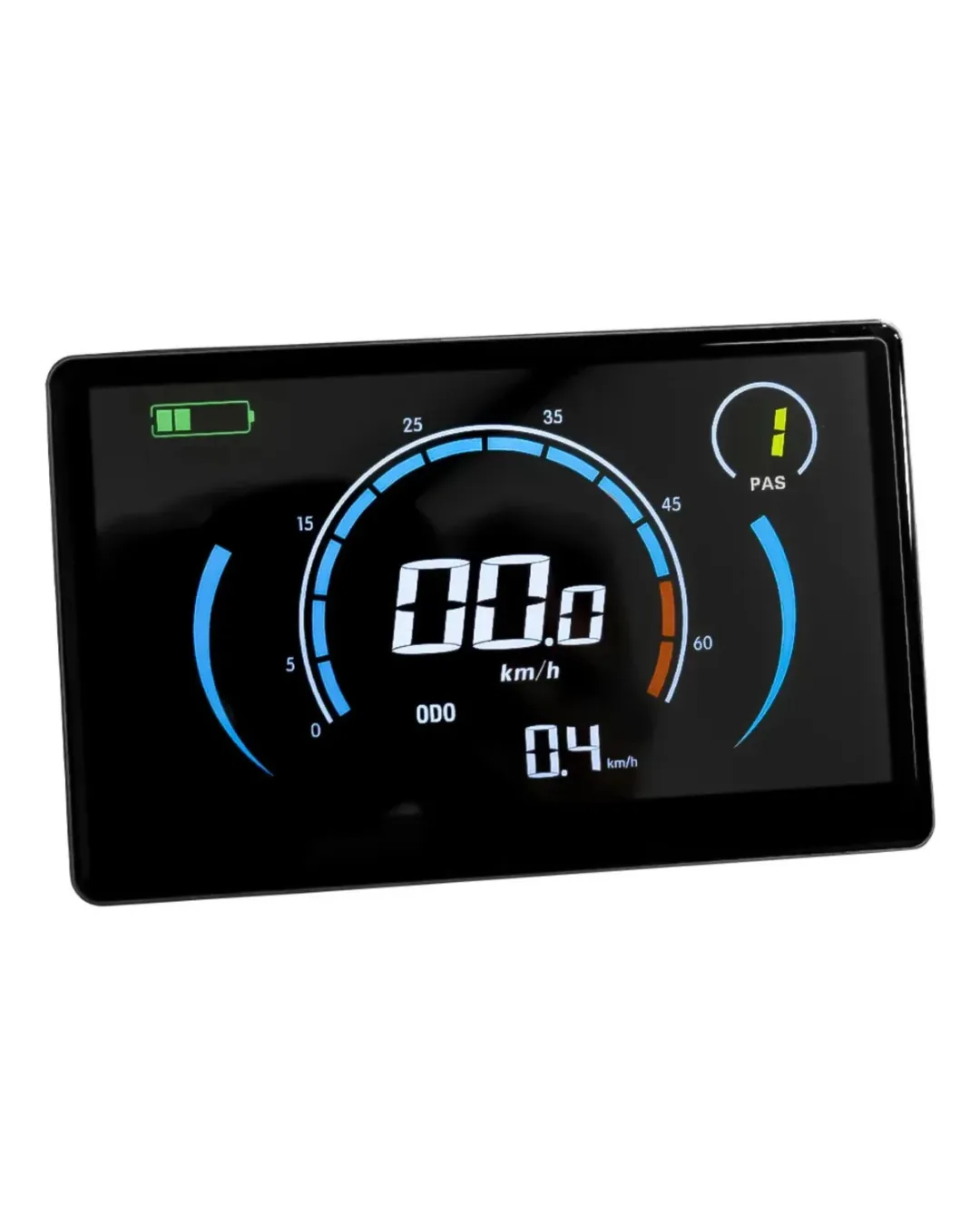
A pad resting against the rotor drags constantly. The motor pulls harder to hold the same speed, and the battery pays for it the entire ride.
Lift each wheel off the ground and spin it. It should turn freely and keep turning. If it stops quickly, or you hear a light scrape, something is touching. A faint rubbing noise that you have stopped noticing is still costing you range.
How you ride moves the number more than you think
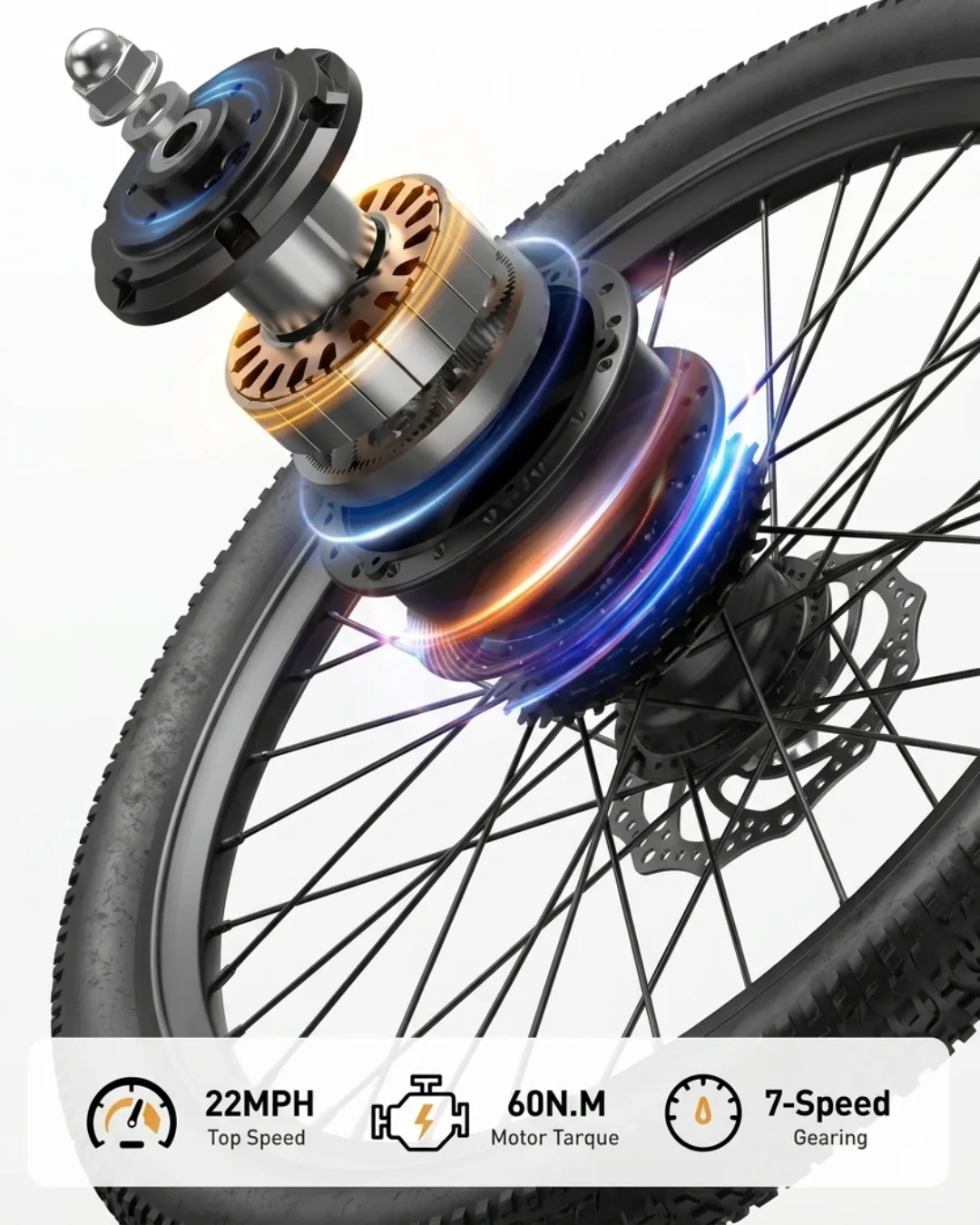
Published range figures assume pedalling with moderate assist. Riding on the throttle alone at full assist can halve them, and nothing is wrong with the bike when it does.
Rider and cargo weight, headwind, hills and stop-start traffic all pull in the same direction. A route that added a few junctions, or a rack that now carries a load, changes the arithmetic.
A dry or worn chain costs energy too, quietly, for the whole life of the chain.

How a lithium pack actually ages
Cells wear by charge cycle, not by calendar. Most e-bike packs hold roughly 80 percent of their original capacity after something like 500 to 800 full cycles, and that fade is gradual. You notice it over seasons, not over a fortnight.
What accelerates it is heat, and that matters here more than almost anywhere. A pack stored at full charge in a hot garage is in the worst condition you can put it in. Florida summers do more damage to a battery than mileage does.
If the bike is going to sit, leave the pack near half charge, keep it indoors, and top it up once a month. That one habit is worth more than anything else you can do for it.
Telling a tired pack from everything else
The useful distinction is sudden against gradual. A pack that faded over two years is doing what packs do. A bike that lost a third of its range this month has a mechanical or electrical cause.
There is one more symptom worth knowing: a pack that cuts out under load — on a hill, pulling away — but reads a healthy charge is usually not short of capacity. That is a cell balance problem, a connector, or the controller limiting output, and those look identical from the saddle.
Telling them apart is a measurement, not an opinion. We test the pack, read the cell balance and tell you what it has left.
If it really is the battery
Then we say so. And if the honest answer is that the pack is finished and the replacement costs more than the bike is worth to you, we will say that too, even though it costs us the job.
What we will not do is rebuild a pack with cheap cells to make a number look better for a while.
One safety note worth repeating: if a battery is visibly swollen, smells, or got hot while charging, stop charging it, get it away from the house, and call before you ride it anywhere.
Before you buy anything
Check the tyres, spin the wheels, and be honest about whether the riding changed. That is free and it solves most of these.
If it is still down after that, bring it in. We test any brand on the bench at 7226 W Colonial Drive, and you get a number before anything is opened.
Worth knowing while you are here: charging an e-bike costs almost nothing either way. We worked it out on real pack sizes in what it costs to charge in Florida.
Volt World
7226 W Colonial DrOrlando, FL 32818
Monday to Friday, 9:00 AM to 6:00 PM EST