
Your e-bike won't turn on. Check these before you pay anyone.
Press the button, nothing happens. It feels like the worst case, and it rarely is. Most bikes that arrive on our bench completely dead have a cause you can find in ten minutes with no tools.
The short version
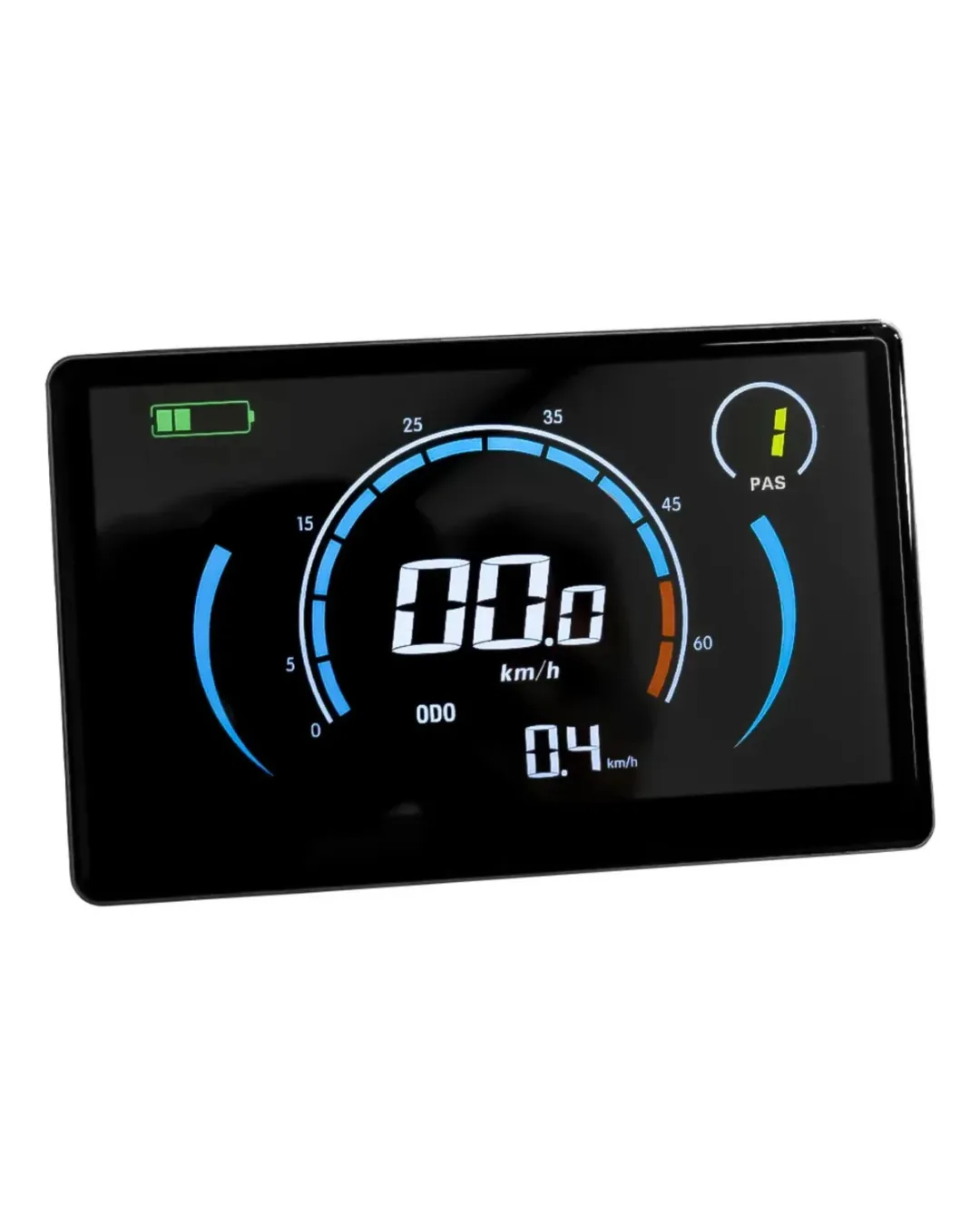
An e-bike that shows nothing at all is usually missing power somewhere between the battery and the display, not suffering a failed motor. The motor is almost never the reason a bike will not switch on. The display does not need the motor to light up.
Work through the checks below in order. They go from free and obvious to the point where you should stop and hand it to someone with a meter.
First: is the battery actually connected
Removable packs sit on a rail and lock with a key. If the pack is not pushed fully home and locked, it can sit there looking right while the contacts are not touching. Take it out, look at the contacts on both the pack and the frame, and seat it again until it clicks.
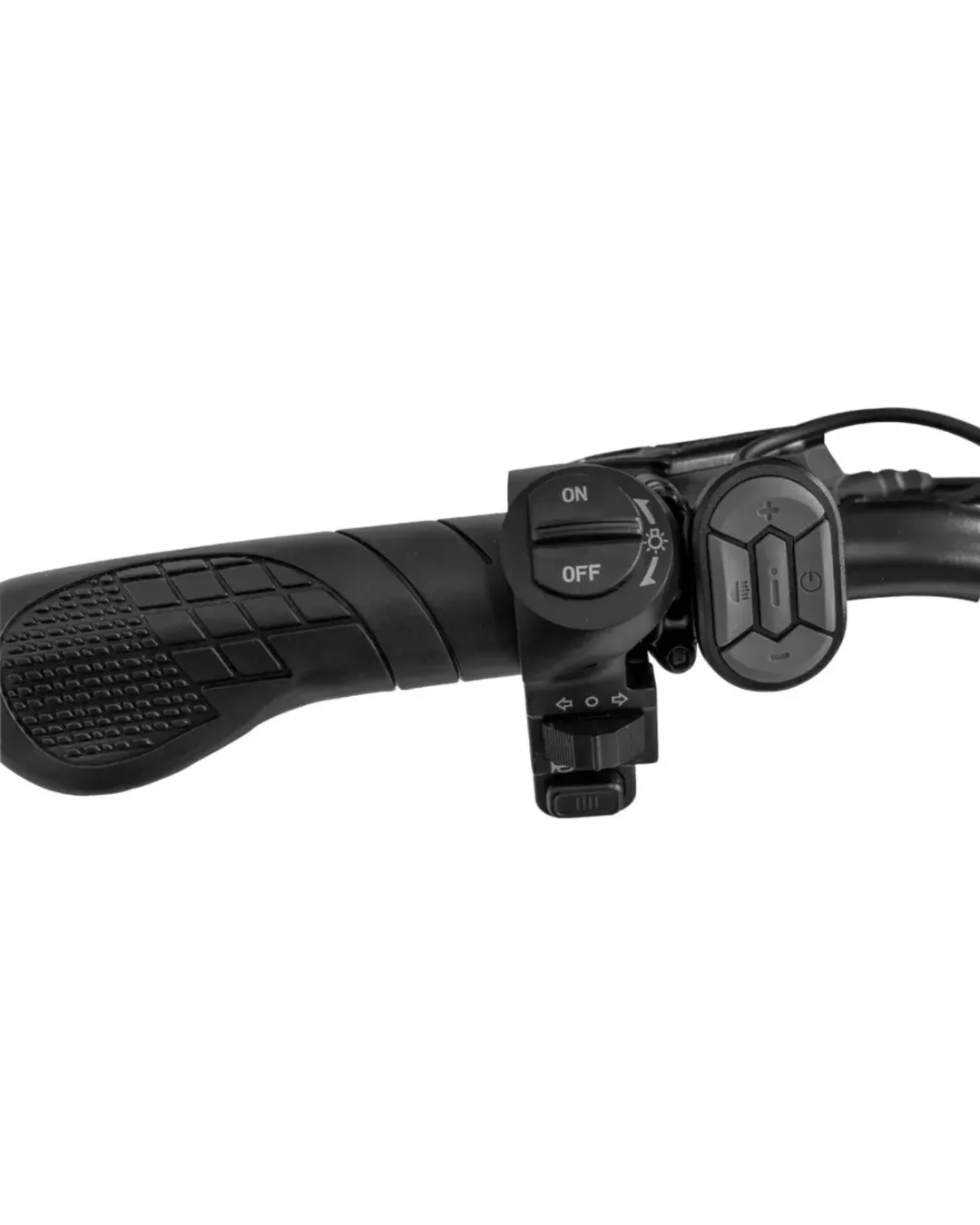
Many packs also have their own power switch or a button on the pack itself, separate from the one on the handlebar. If that is off, the display stays dark however many times you press it. Check the manual for where yours is.
While the pack is out, press its charge indicator if it has one. No lights at all on the pack is a different problem from lights on the pack and nothing on the bars, and it is worth knowing which you have.
Then: the unlock
Some bikes will not wake until they are unlocked. On models with NFC unlock, such as the CycHunter 2.0 and the Nomad Pro, the display stays off until it sees the card. A flat or lost card looks exactly like a dead bike.
It sounds too simple to mention. It is also one of the more common calls we get.
A pack that has gone to sleep
Lithium packs carry a battery management system, a small circuit that protects the cells. If a pack is run completely flat and then left, or sees a short or a surge, that circuit can shut the output off to protect itself. The pack is not dead. It has stopped talking.
Plugging in the original charger is often enough to wake it. Watch the charger's light: if it changes colour the way it normally does when charging, the pack is accepting charge. Give it a few hours before you decide anything.
If the charger light shows charging and then flips straight to full within a minute, or never changes at all, that is information too. Write down what it did. It saves real time on the bench.

Check the charger before you blame the battery
A charger that has failed leaves you with a pack that slowly empties and never refills, and after a few rides the bike will not switch on. It looks like a battery fault and it costs a fraction of one.
Make sure the outlet works, the charger's own light comes on when plugged into the wall, and the plug and the charge port on the bike are clean, dry and undamaged. A bent pin or a scorched port is a reason to stop, not to wiggle it until it works.
Use only the charger the bike came with. A charger with the right plug and the wrong voltage is how packs get damaged.
The cables between the bars and the frame
The display, the controller and the battery talk through connectors, and on most bikes at least one of them sits where it gets knocked, folded or pulled. A bike that went dark straight after a fall, a trip in a car or a new accessory being fitted very often has a connector that came apart.
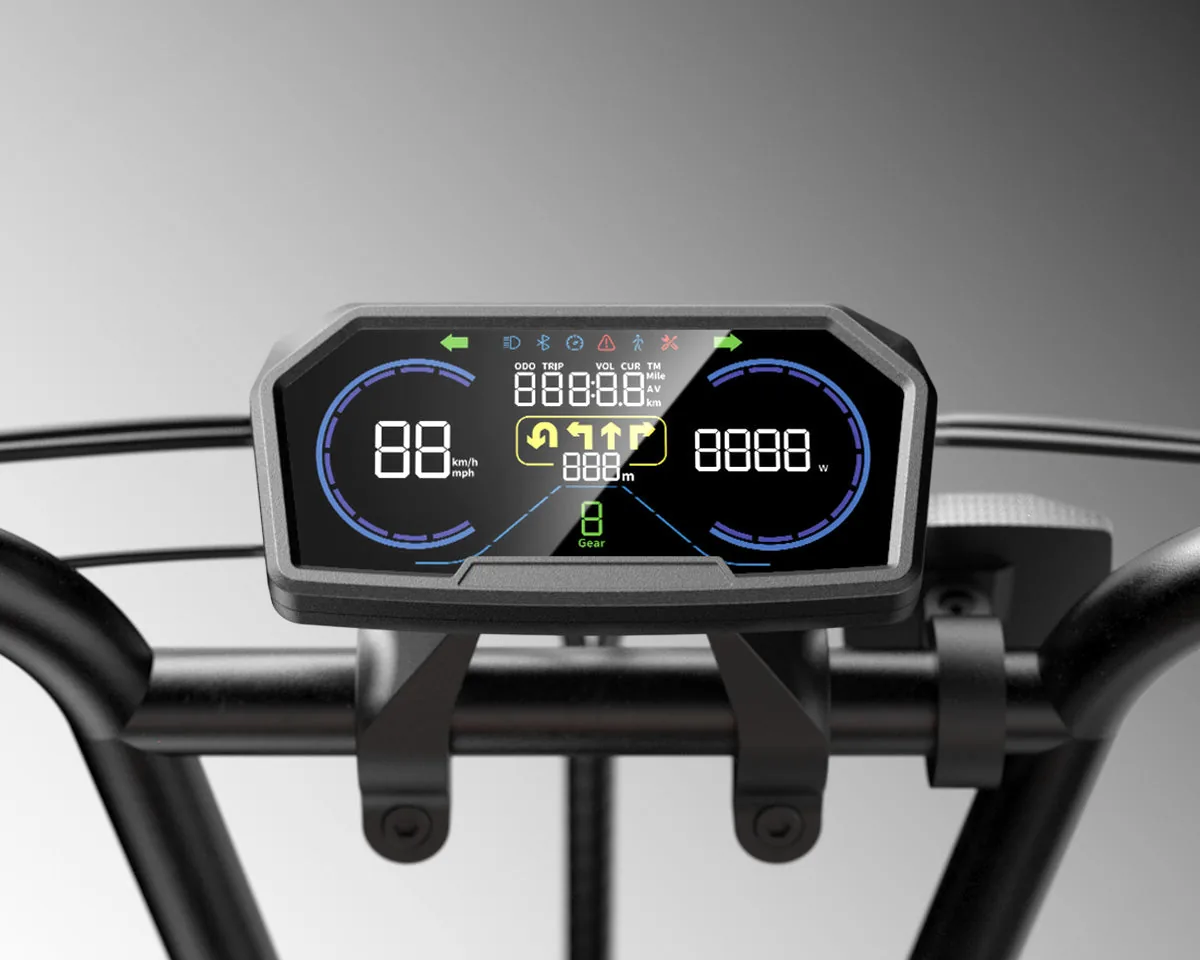
Follow the cable from the display down the bars. Look for a plug that has backed out, a cable pinched by the steering, or a connector that is wet or green with corrosion. Press them home gently. Do not cut anything or pull the controller out of the frame.
In Orlando, water is worth thinking about. A bike that rode home through an afternoon storm and would not start the next morning has a likely story. Let it dry somewhere indoors before you try it again, and do not charge a pack you think got water inside it.
Display on, but the motor does nothing
That is a different fault and a useful one, because it rules out most of the above. The first thing to check is the brakes. The levers on most e-bikes carry a sensor that cuts the motor when you pull them, and a lever that does not spring fully back keeps the motor off.
Squeeze and release both levers firmly, then try again. If the display shows an error code, note it down exactly. The code means different things on different controllers, and it is the most useful thing you can bring in with the bike.
Where to stop
Stop at the pack. Do not open a battery case, bridge contacts or try a charger from a different bike. Lithium cells hold a lot of energy and they do not forgive guesses. If the pack is swollen, smells, or got hot, get it out of the house and call before you do anything else.
Past the checks above, finding the fault is a measurement: voltage at the pack, at the controller and at the display, until the point where it disappears. That is what we do on the bench, on any brand. You get told what failed and what it costs before anything is opened, and nothing is touched until you say go.
Some brands seal their controllers and sell parts only to their own dealers. When that is what you have, we will tell you so and point you to who can do it.
Volt World
7226 W Colonial DrOrlando, FL 32818
Monday to Friday, 9:00 AM to 6:00 PM EST